Muslim cemeteries and sections in Sydney
Islamic burial follows prompt, simple rites emphasising humility and return to God.
Compare Muslim sections across Sydney
Where Muslim burials are available, with the indicative lawn plot cost. Rookwood, the largest, is listed first, then cheapest to dearest.
Rookwood Cemetery
Inner West · Metropolitan Memorial Parks & Catholic Cemeteries
from $12,020
lawn plot
Kemps Creek Memorial Park
South-West Sydney · Catholic Cemeteries & Crematoria
Contact
lawn plot
Liverpool Cemetery
South-West Sydney · Catholic Cemeteries & Crematoria
Contact
lawn plot
Indicative right of interment + burial where published; excludes the headstone. “Contact” = operator quotes on request.
What to know about Muslim burials
Burial customs
Burial takes place as soon as possible, after ritual washing (ghusl), shrouding (kafan) and the funeral prayer (Salat al-Janazah). The deceased is buried facing the qibla; cremation is not permitted.
The headstone
Simplicity is valued; markers are typically modest and some sections keep graves plain. Timing is not ritualised.
Visiting
Graves are visited (ziyarah) to remember and pray for the deceased; ostentation is avoided.
Inscriptions
Arabic and English, often with a Qur'anic verse such as 'Inna lillahi wa inna ilayhi raji'un' (to God we belong and to Him we return), with name and dates.
Muslim Cemetery Masonry Services
New headstone or monument
A new memorial in the styles and materials of the community.
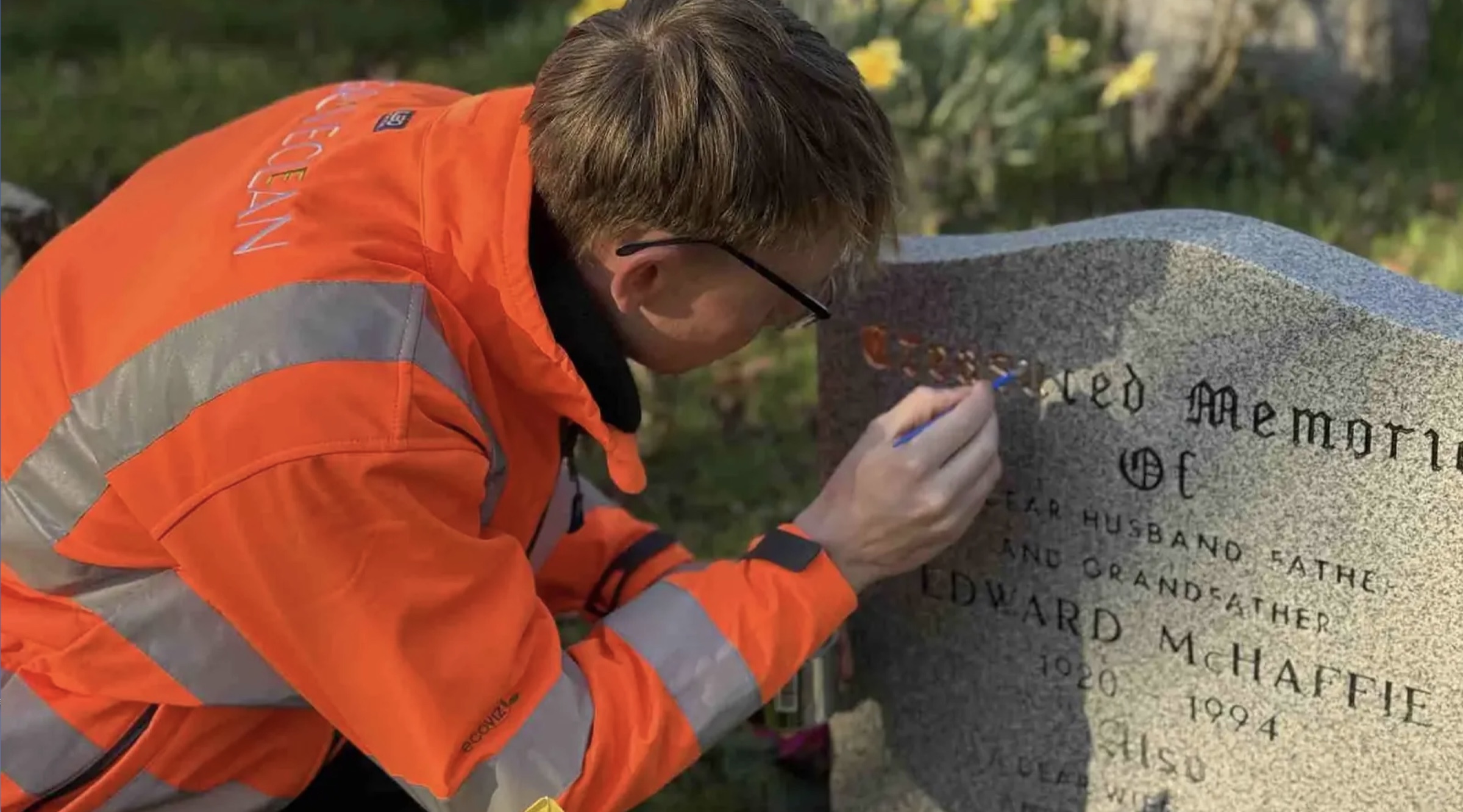
Additional inscriptions
Adding a name to a family grave, or completing an existing inscription.
Renovation & restoration
Repairing, resetting or restoring an older or weathered grave.
Cleaning
Cleaning and freshening a headstone that has aged over the years.
Frequently Asked Questions
What is a Muslim burial?
Islamic burial follows prompt, simple rites emphasising humility and return to God.
What are Muslim visiting customs?
Graves are visited (ziyarah) to remember and pray for the deceased; ostentation is avoided.