Greek Orthodox cemeteries and sections in Sydney
A comprehensive guide to Greek Orthodox burial across Sydney. It covers where Greek Orthodox sections are found in the city’s cemeteries, what a plot costs, the customs and monument traditions observed, and how to arrange a headstone through a monumental mason.
Greek Orthodox burials in Sydney
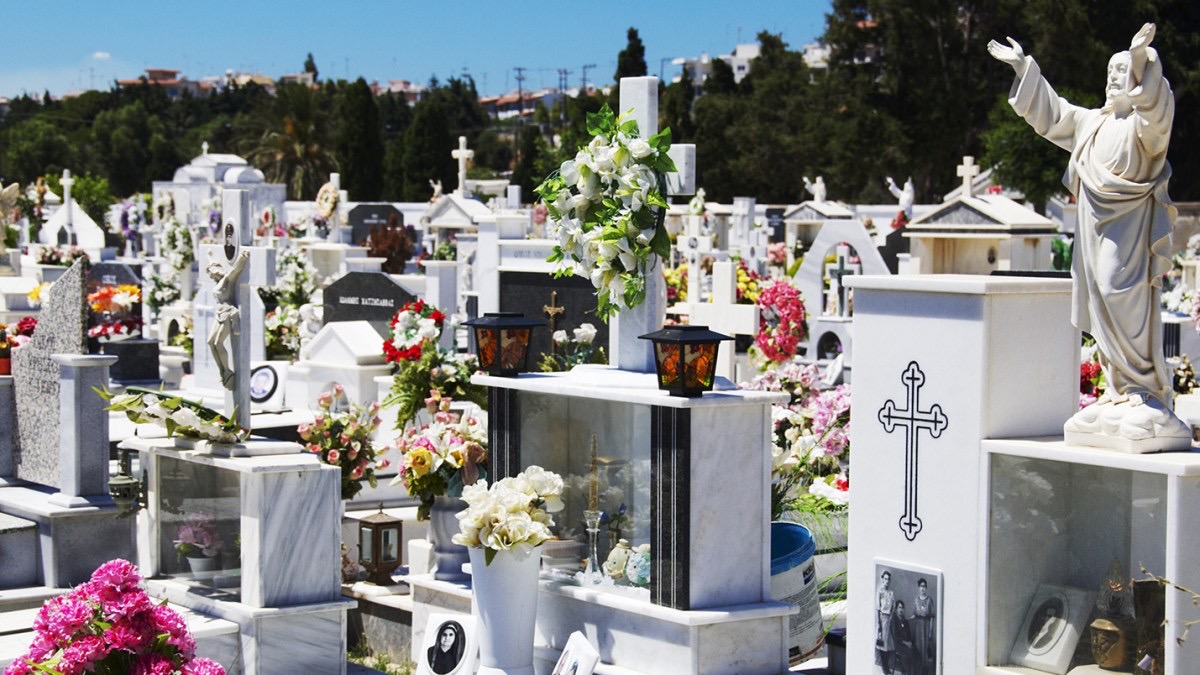
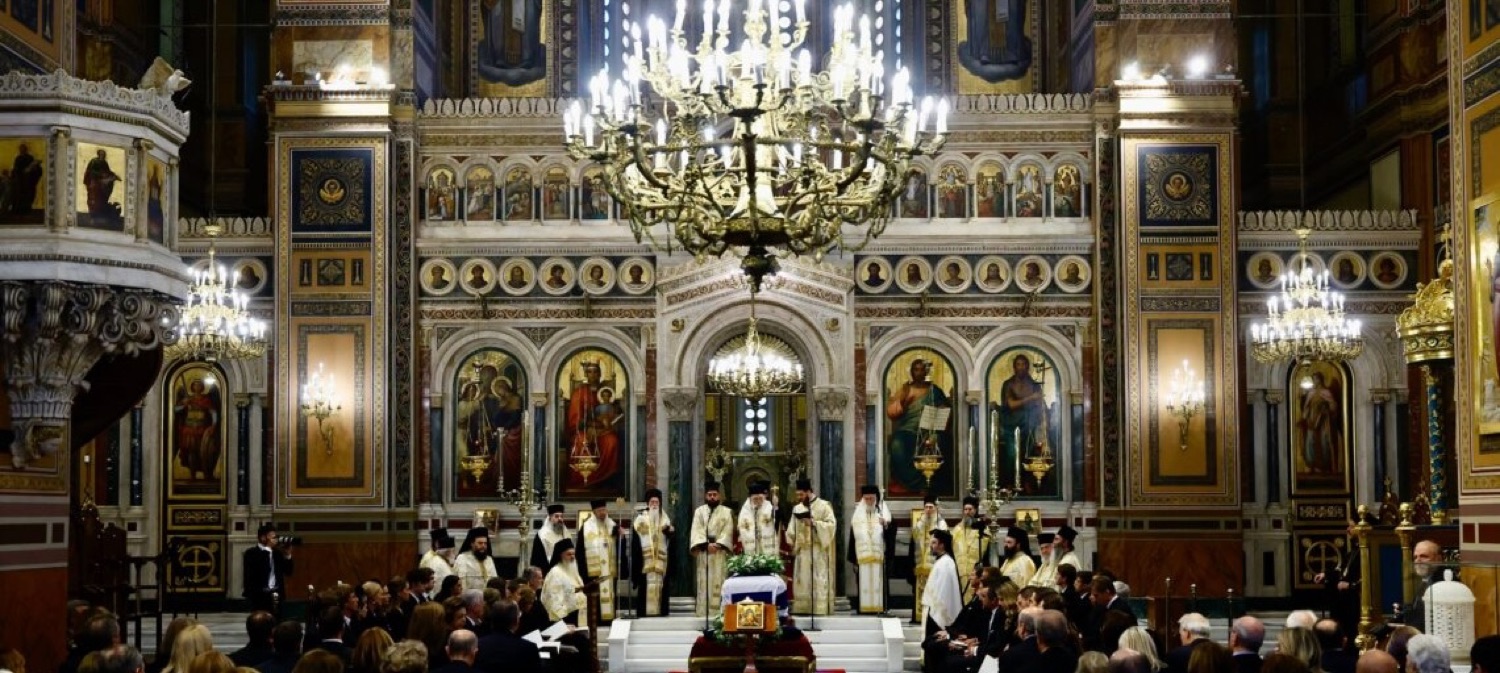
A Greek Orthodox burial in Sydney follows the tradition of the Church. The funeral service is held in a Greek Orthodox church, followed by burial in the ground, as Orthodox tradition does not permit cremation. Memorial services (mnemosyna), with koliva, are held at 40 days and on anniversaries in memory of the departed. The plot itself, the right of interment, is purchased through the cemetery operator, and Greek Orthodox sections are found within several of Sydney’s general cemeteries, with pastoral care through the Greek Orthodox Archdiocese and the local parish.
Compare Greek Orthodox sections across Sydney
Where Greek Orthodox burials are available, with the indicative lawn plot cost. Rookwood, the largest, is listed first, then cheapest to dearest.
Indicative right of interment + burial where published; excludes the headstone. “Contact” = operator quotes on request.
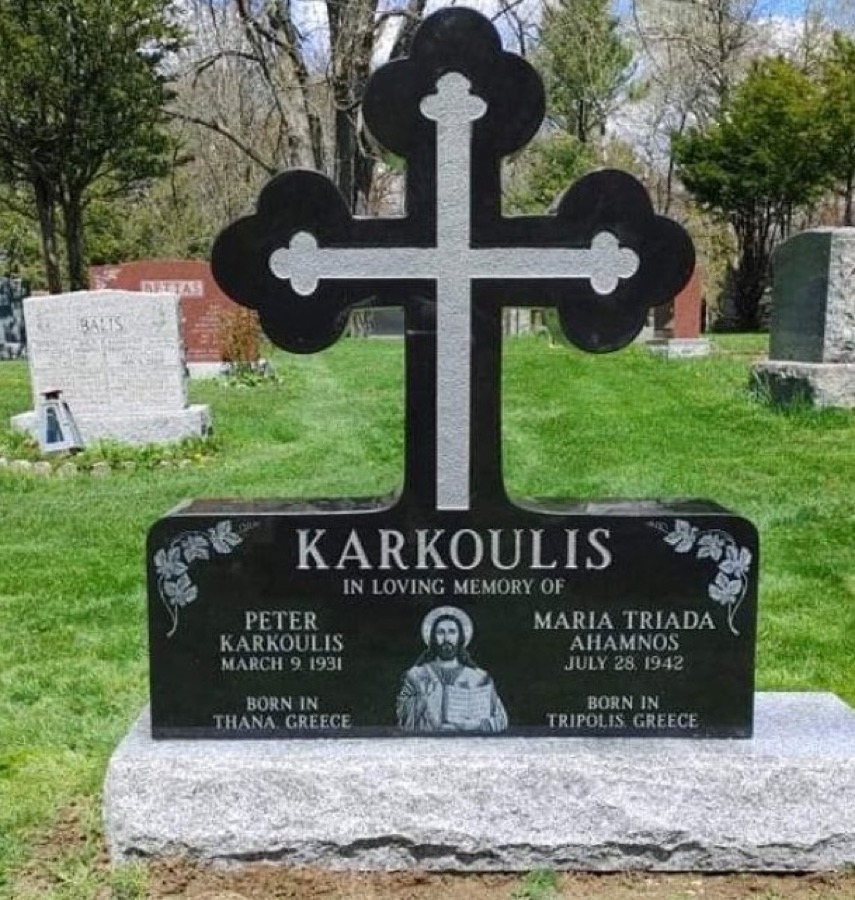
The monument designs, symbolism, inscriptions and customs specific to Greek Orthodox graves in Sydney.
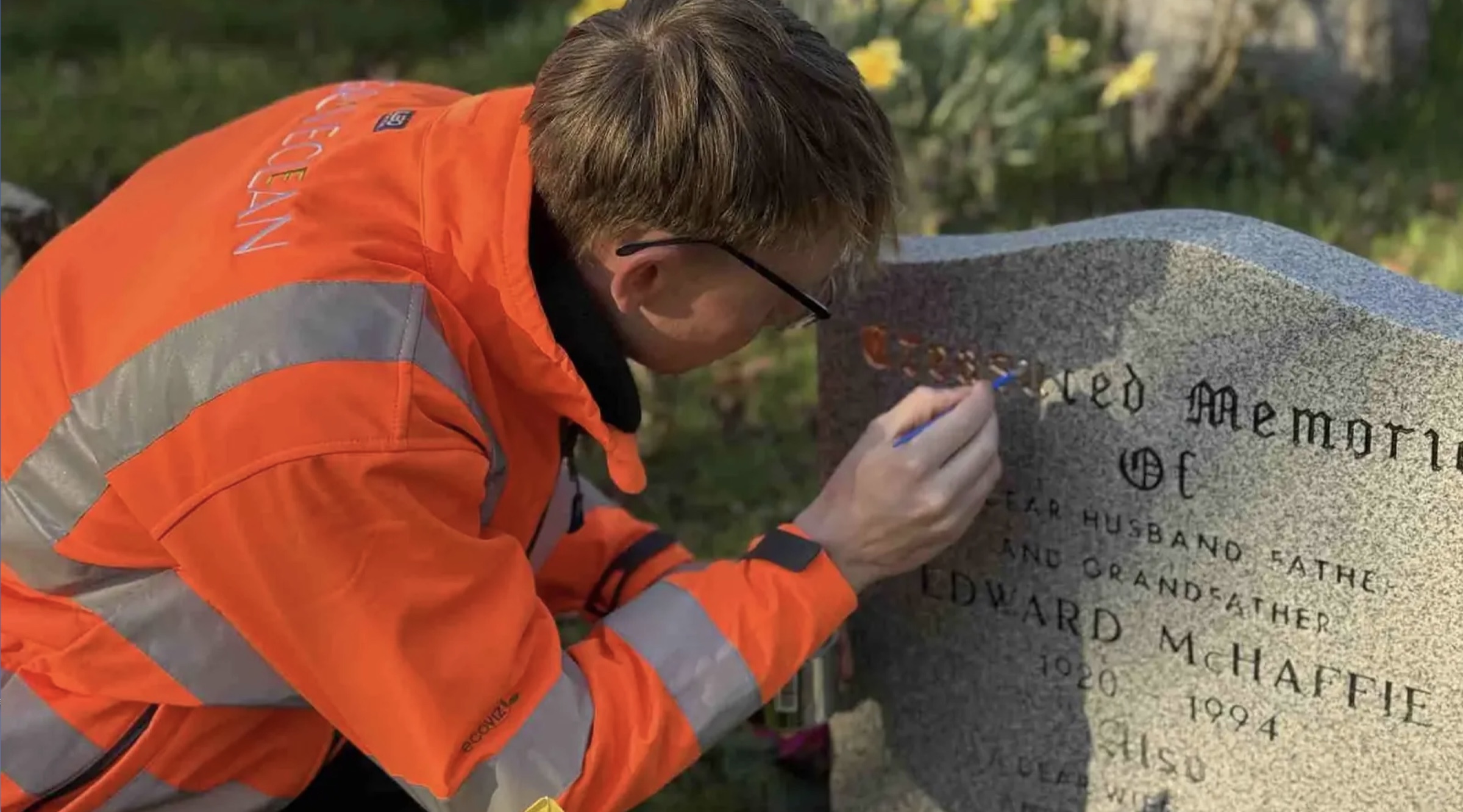
Read the Greek Orthodox headstones guide →Need to organise a Greek Orthodox headstone? Let our experts guide you through the process.
What to know about Greek Orthodox burials
Frequently Asked Questions
What is a Greek Orthodox burial?
Greek Orthodox burial emphasises the resurrection and 'eternal memory', within a strong liturgical and communal tradition.
Are Greek Orthodox funerals cremated?
No. Orthodox tradition calls for burial in the ground, and cremation is not permitted. The funeral service is held in a Greek Orthodox church, followed by burial in a Greek Orthodox section.
What are the 40-day and memorial services (mnemosyna)?
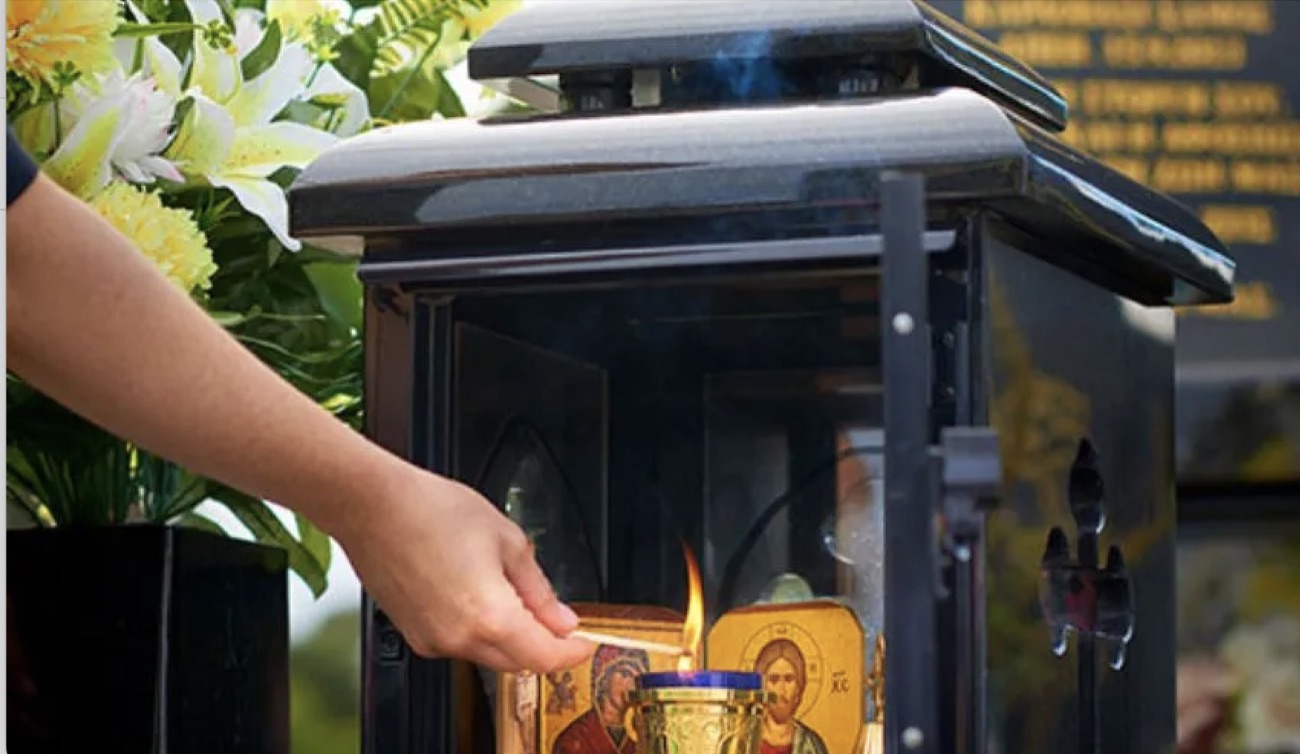
Mnemosyna are memorial services held for the repose of the departed, most notably at 40 days and on anniversaries, where koliva (boiled wheat) is offered and 'memory eternal' (Αιωνία η μνήμη) is sung. Families return to the grave to light the kandili and pray.
How do I find a Greek Orthodox grave in Sydney?
Start with the cemetery operator. The cemetery office holds the interment records and can give you the section and grave location, and most operators offer an online deceased search. The parish that held the funeral can also help you find it.
What are Greek Orthodox visiting customs?
Families light the kandili, bring koliva at memorials, and visit at 40 days and on anniversaries.